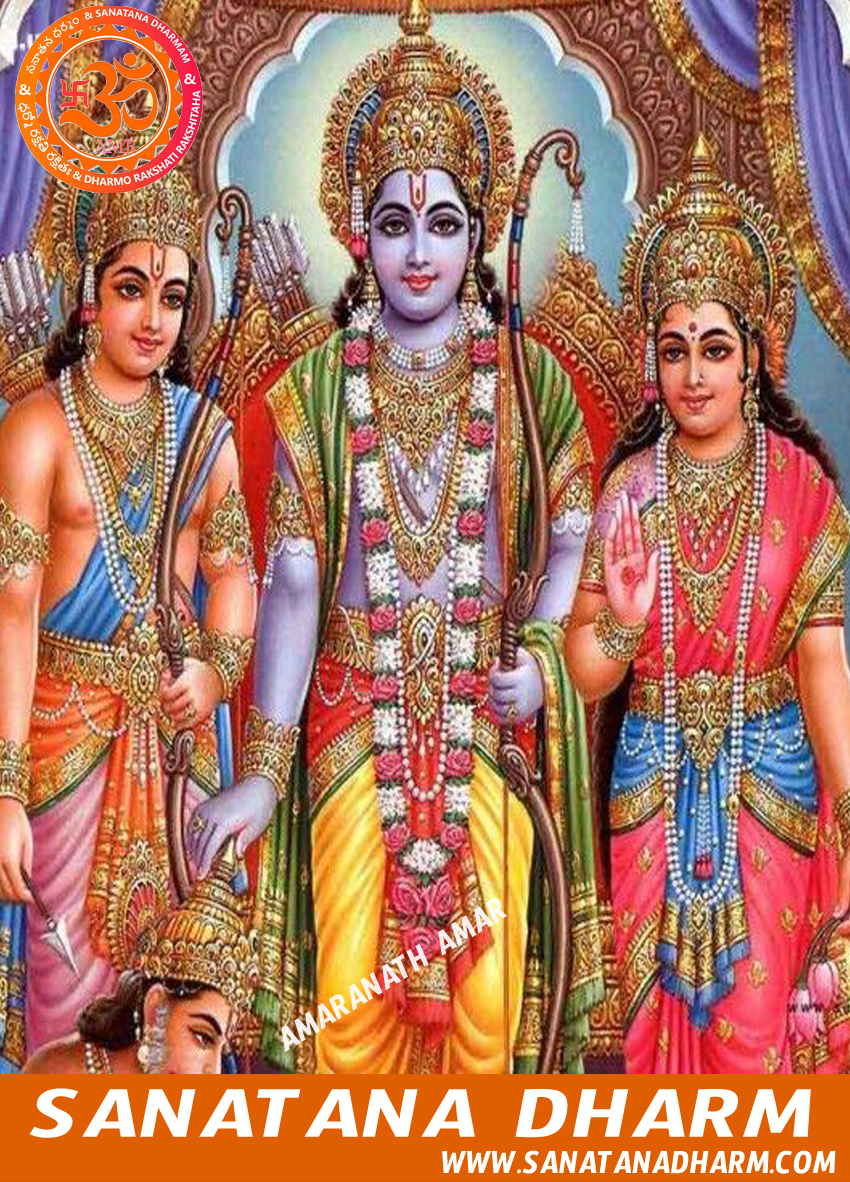
Rama the tiger among men, revolving in his mind the command of his father, covered a long distance during the rest of the night.
यहाँ संस्कृत श्लोक का सरल हिंदी अनुवाद दिया गया है: पुरुषसिंह राम, पिता की आज्ञा को याद करते हुए, रात के शेष भाग में उसी कारण से बहुत दूर चले गए।
Ayodhya Kanda – Sarga 49 · v2
तथैव गच्चतः तस्य व्यपायात् रजनी शिवा |
उपास्य स शिवाम् संध्याम् विषय अन्तम् व्यगाहत || २-४९-२
While Rama was traveling with the same alacrity, that delightful night passed away. Having worshipped the blissful morning twilight, he passed beyond the boundary of that country.
रात्रि के बीत जाने पर, शिव की आराधना करके, वह व्यक्ति विषयों के अंत को प्राप्त हुआ।
Seeing villages, whose outskirts have been tilled and the woodlands laden with blossoms and hearing as follows the words of men dwelling together in the midst of the village, Rama proceeded apace in those excellent horses as though slowly (engrossed as he was in enjoying the sights).
गाँवों, जुते हुए खेतों और खिले हुए वनों को देखते हुए, वह उत्तम घोड़ों पर सवार होकर, जैसे तीरों से, शीघ्रता से आगे बढ़ गया। वह मनुष्यों की बातें सुन रहा था, जो ग्राम में निवास करते थे।
"Woe unto the king Dasaratha who fell into the clutches of concupiscence. Alas! Kaikeyi the cruel and the sinful one now is still engaged in a cruel game. She is sending to exile the prince Rama, the pious man, the great intellectual, the compassionate man and he who subdued the senses. That hot-tempered Kaikeyi is behaving in a rude manner, transgressing the bounds of propriety"
यहाँ संस्कृत श्लोक का सरल हिंदी अनुवाद दिया गया है: धिक्कार है दशरथ राजा को जो काम के वश में आ गए। हाय, क्रूर कैकेयी, जो पाप से उत्पन्न हुई और पाप में ही लगी है, वह मर्यादा को तोड़कर इस भयंकर कार्य में लगी है। वह राजा के ऐसे धार्मिक, महाबुद्धिमान, दयालु और सावधान पुत्र को वनवास भेज रही है।
Ayodhya Kanda – Sarga 49 · v5
कथम् नाम महाभागा सीता जनकनन्दिनी |
सदा सुखेष्वभिरता दुःखान्यनुभविष्यति || २-४९-७
"How Sita the venerable woman, the daughter of Janaka, who was delighted always in homely comforts can now experience hardships in the forest?"
हे महाभागा जनकनन्दिनी सीता, जो सदा सुखों में ही रमण करती हैं, वे भला कैसे दुःखों का अनुभव करेंगी? यह तो संभव ही नहीं है।
Ayodhya Kanda – Sarga 49 · v6
अहो दशरथो राजा निस्नेहः स्वसुत प्रियम् |
प्रजानामनघम् रामम् परित्यक्तुमिहेच्छति || २-४९-८
"What a surprise! The king Dasaratha, having no love for his son, now wants to abandon Rama who is so beloved to the people and is even faultless."
अहो, राजा दशरथ स्नेहहीन होकर अपने प्रिय पुत्र राम को प्रजा के लिए त्यागना चाहते हैं। यह अत्यंत आश्चर्य की बात है।
Hearing these words of people residing in villages and hamlets, Rama the heroic prince of Kosala crossed the boundaries of Kosala state.
कोशल के राजा ने, जो वीर थे, ग्राम में रहने वाले मनुष्यों की ऐसी बातें सुनीं और कोशल देश को पार कर गए।
Ayodhya Kanda – Sarga 49 · v8
ततः वेद श्रुतिम् नाम शिव वारि वहाम् नदीम् |
उत्तीर्य अभिमुखः प्रायात् अगस्त्य अध्युषिताम् दिशम् || २-४९-१०
Having crossed the river of auspicious waters called Vedashruti, Rama then stretched forth, facing the quarter occupied by Sage Agastya.
तब शिव की जलधारा के समान वेद श्रुति नामक नदी को पार करके, वह अगस्त्य ऋषि के निवास की दिशा की ओर बढ़ा।
After traveling a pretty long time from there, Rama crossed the river Gomati having beautiful waters, whose banks were adorned with cows and which headed towards the sea.
बहुत देर तक चलने के बाद, वह ठंडे पानी वाली गोमती नदी में, जो गायों और अनुपम दृश्यों से भरी थी, प्रवेश कर गया और समुद्र तक पहुँच गया।
Reaching the other bank of Gomati river with the help of the swift moving horses, Rama crossed the river called Syandika which had resounded with howls of peacocks and swans.
राघव ने गोमती नदी को पार करके, तेज घोड़ों पर सवार होकर, मोर और हंसों से सुशोभित स्यन्दिका नदी को भी पार किया।
Ayodhya Kanda – Sarga 49 · v11
स महीम् मनुना राज्ञा दत्ताम् इक्ष्वाकवे पुरा |
स्फीताम् राष्ट्र आवृताम् रामः वैदेहीम् अन्वदर्शयत् || २-४९-१३
The said Rama showed to Sita the land (of Kosala, the southern boundary of which was defined by Syandika river)given long ago by the king Manu to Ikshvaku and which was bounded by many territories.
प्राचीन काल में राजा मनु द्वारा इक्ष्वाकु को दी गई समृद्ध और राष्ट्र से घिरी हुई पृथ्वी को राम ने वैदेही (सीता) को दिखाया।
Ayodhya Kanda – Sarga 49 · v12
सूतैति एव च आभाष्य सारथिम् तम् अभीक्ष्णशः |
हंस मत्त स्वरः श्रीमान् उवाच पुरुष ऋषभः || २-४९-१४
The glorious Rama, the foremost among men, whose voice resembled the cackling of a swan in rut, addressed the charioteer with great affection, in the words "Oh, charioteer!" and spoke as follows :
श्रीमान् पुरुष श्रेष्ठ हंस के समान मधुर स्वर में बार-बार सारथी से बोले।
Ayodhya Kanda – Sarga 49 · v13
कदा अहम् पुनर् आगम्य सरय्वाः पुष्पिते वने |
मृगयाम् पर्याटष्यामि मात्रा पित्रा च सम्गतः || २-४९-१५
"When, coming back and united with my mother and father, shall I roam hunting in the forest, bordering on Sarayu river and laden with blossoms?"
मैं कब फिर से आकर, सरयू नदी के खिले हुए वन में, माता-पिता के साथ मिलकर शिकार खेलने के लिए घूमूंगा।
Ayodhya Kanda – Sarga 49 · v14
न अत्यर्थम् अभिकान्क्षामि मृगयाम् सरयू वने |
रतिर् हि एषा अतुला लोके राज ऋषि गण सम्मता || २-४९-१६
राजर्षीणाम् हि लोकेऽस्मिन् रत्यर्थम् मृगया वने |
काले कृताम् ताम् मनुजैर्धन्विनामभिकाङ्क्षिताम् || २-४९-१७
"I do not hanker much after hunting in the woodlands bordering on Sarayu river. In fact it is a delightful spot, made much of in the world by hosts of royal sages. Hunting in the forest is indeed for gratification of royal sages in this world. At times; the bow- men adopted it. But I do not long for it excessively."
मैं सरयू वन में शिकार की बहुत अधिक इच्छा नहीं करता, क्योंकि यह राजा-ऋषियों द्वारा स्वीकृत एक अतुलनीय आनंद है। इस संसार में राजा-ऋषियों के लिए वन में शिकार करना आनंद का साधन है, जिसे धनुर्धर मनुष्य उचित समय पर चाहते हैं।
Uttering in sweet voice to the charioteer on various topics dearer to him, Rama advanced thus along that route.
इक्ष्वाकुवंशी राजा ने मधुर वाणी में सारथी से कहा, उस मार्ग को देखकर और उस अर्थ को ध्यान में रखकर, वह वाक्य बोला।